HTS Blog

Stop ignoring device firmware updates

March 11th, 2026

Hackers rarely break into networks through the front door. They usually sneak in through forgotten office equipment running obsolete code. The factory-installed programming on your devices needs regular patching to stay secure. Maintaining these systems might seem tedious or disruptive to your daily tasks, but neglecting them actually poses a massive risk to your entire organization.

Business phones in 2026: Key VoIP features every company should look for

March 9th, 2026

Choosing the right VoIP phone system for your business is more important than ever in 2026. Modern solutions go far beyond basic calling, offering advanced tools that improve communication, customer experience, and team productivity. Understanding the most important features can help organizations invest in a system that truly supports their operations.

Protecting your workplace: Practical security tips for Microsoft Teams

March 6th, 2026

Microsoft Teams connects employees and information in one place, but that convenience also means security matters more than ever. Follow these steps to better protect data, manage permissions, and monitor activity within Teams.

Carefully manage third-party apps

Microsoft Teams allows organizations to add various third-party applications to expand its functionality.

Enhance Google Chrome with features for speed and productivity

March 4th, 2026

Is Google Chrome draining your computer’s memory and slowing you down? Recent updates have introduced powerful built-in tools designed to boost performance, no complicated fixes required. This guide will show you how to turn your sluggish browser into a high-speed productivity powerhouse.

The truth about disaster recovery: What many businesses still get wrong

March 2nd, 2026

Disaster recovery isn’t just an IT checklist item — it’s a business survival strategy. This article breaks down persistent myths and outlines what leaders need to know to safeguard operations against unexpected disruptions.

When business leaders think about disaster recovery (DR), the conversation often centers on backups.

Deciding between open-source and proprietary VoIP for your business

February 23rd, 2026

When selecting a Voice over Internet Protocol (VoIP) phone system, businesses often face a key decision: should they go with open-source or proprietary systems? This article breaks down the real-world pros and cons of each option so you can confidently choose the right fit for your organization.

Is your PC slowing down? Here’s why defragmentation still matters

February 21st, 2026

If your Windows PC feels slower than it used to, fragmented files could be part of the problem. Learn how disk defragmentation works, when it’s necessary, and how it can help restore performance and stability.

We expect our computers to respond instantly — apps should launch quickly, files should open without delay, and the system shouldn’t freeze at the worst possible moment.

One login, total access: Why businesses are switching to single sign-on

February 18th, 2026

Tired of managing endless passwords across your business apps? Single sign-on (SSO) offers a secure, streamlined solution that improves productivity while strengthening protection. Here’s why more organizations are making the switch.

The case for using SSO

Most employees are drowning in passwords.

How to keep your healthcare practice compliant with HIPAA

February 16th, 2026

Protecting sensitive information is the core purpose of the Health Insurance Portability and Accountability Act (HIPAA). HIPAA mandates that patients have full control over access to their health records. Compliance is a strict requirement for any healthcare practice or business partner.

The hidden weaknesses of multifactor authentication

February 13th, 2026

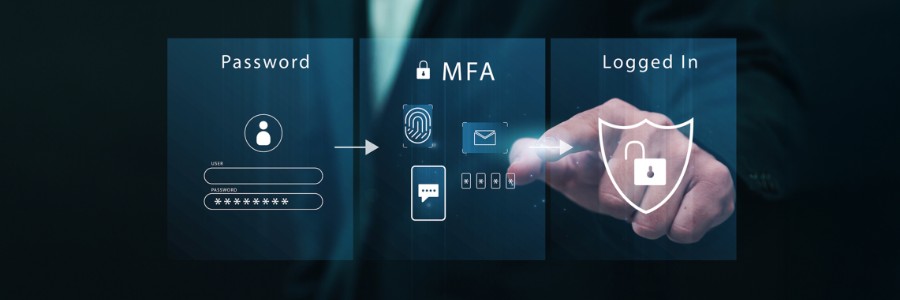
Multifactor authentication (MFA) works by requiring users to provide more than one form of identification when logging into a system or account. This extra layer of security is meant to prevent unauthorized access and protect sensitive information. However, while MFA may seem like a foolproof solution, it actually has its own set of vulnerabilities that can be exploited by cybercriminals.